








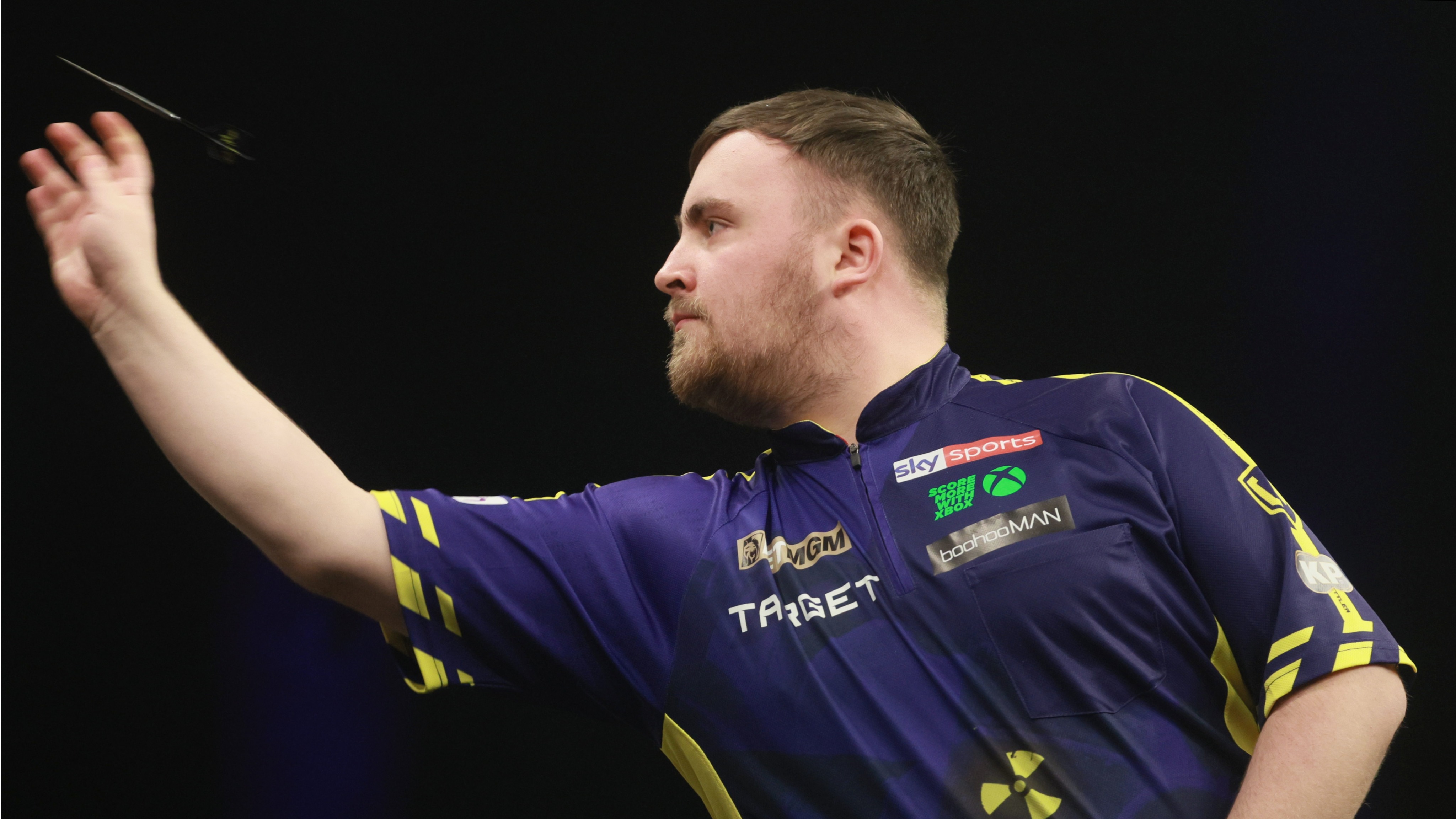
Darts player Luke Littler has applied to trademark his face with the UK Intellectual Property Office as the teenage champion seeks to prevent unauthorised AI-generated use of his likeness.
According to the Press Association, the application is intended to block third parties from creating and selling products featuring AI-generated images of Littler without consent, amid growing concerns over copyright breaches linked to synthetic media.
The move reflects a broader trend among high-profile athletes seeking stronger control over their commercial image.
Littler, 19, has rapidly become one of the sport’s most marketable figures, with his image already appearing on a range of branded products including dart boards, video games and snack packaging. He has previously secured trademark protection for his nickname “the Nuke” in the United States, reinforcing efforts to formalise his personal brand.
Graeme Murray, a trademark attorney at Marks & Clerk, said that “well known UK celebrities and sports people are increasingly filing applications to register UK trade marks consisting of their faces” in response to the rise of AI-generated content. He added that such material “can pose a genuine threat to goodwill and the ‘brand of identity’ vested in the appearance of well-known individuals”.
Murray said trade mark filings are being used to “carve out exclusivity” over a recognisable appearance, particularly in the UK where no standalone personality rights exist. He noted that the legal framework around AI-generated likenesses remains unclear, but that has not deterred individuals from seeking protection.
Similar filings have emerged across professional sport, such as footballer Cole Palmer registering his own likeness, as concerns grow over deepfakes and commercial misuse. Lawyers say the ease and speed with which AI-generated images can now be produced has heightened the urgency for individuals to secure legal protections.
Murray added that “the role of trade mark law in this sphere is yet to be explicitly determined”, highlighting uncertainty over how courts will treat disputes involving AI-generated likenesses. He said the absence of a clear right of personality in UK law leaves trade marks as one of the few available tools to challenge unauthorised commercial use.


