







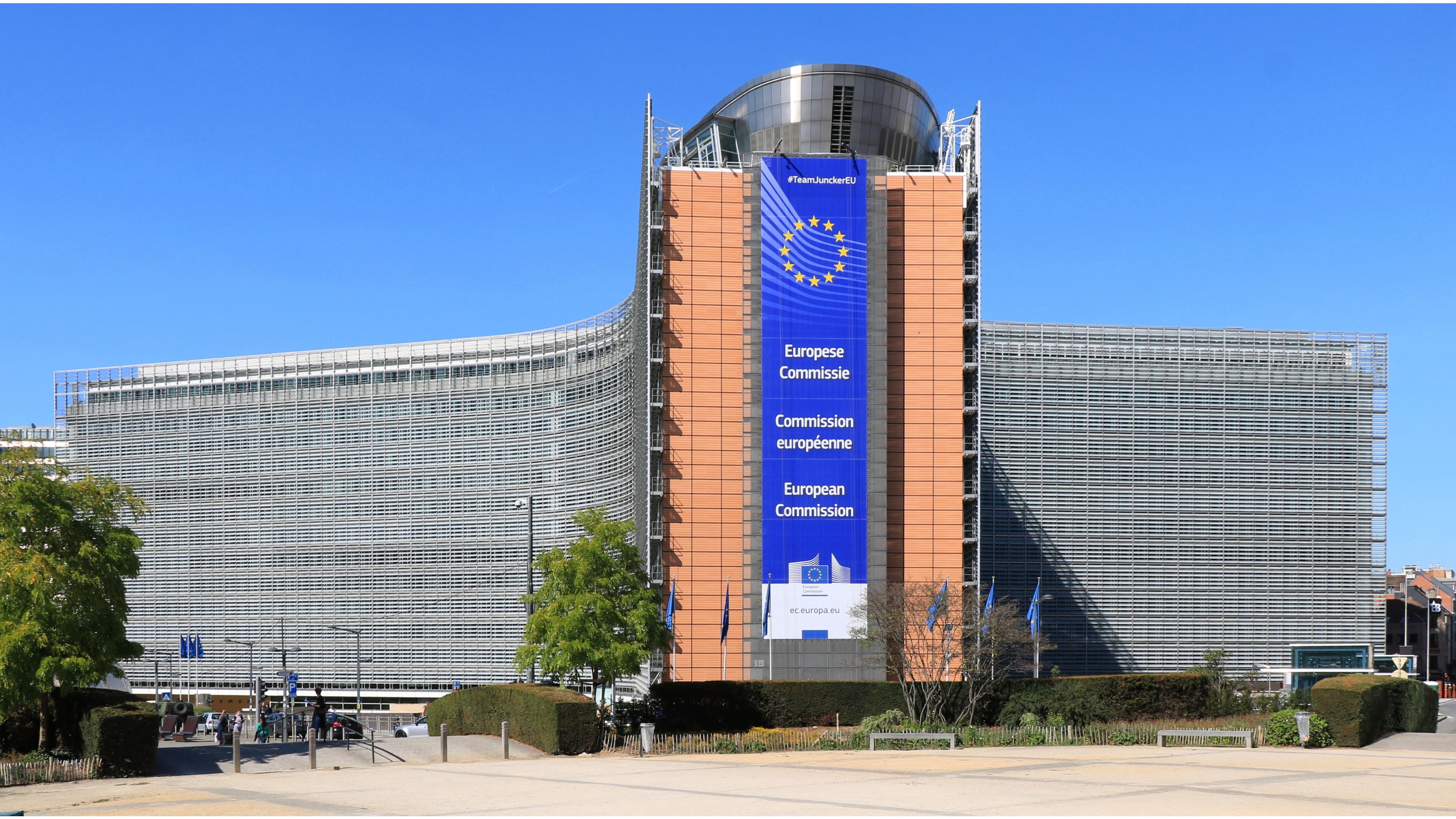
The European Commission has proposed the EU Kids Act, banning children 14 and under from opening their own accounts on social media or accessing video sharing platforms without parental consent.
Under the act, Children under 13 will be banned from accessing social media while those between 13 and 15 will be able to access “mini accounts” through a guardian’s existing one. These will allow them to access “age-appropriate” social media and video sharing platforms with built-in safeguards provided to guardians.
The act is designed to ensure children are not exposed to harm by technologies described by Commission president Ursula von der Leyen as “the most sophisticated ever created”. It will also impose additional obligations to a variety of online services including social media, video-sharing platforms, online games and AI companions and chatbots.
All services that are provided to those under 18 will be required to ban “addictive features” and profiling-based recommender feeds dragging minors into “rabbit holes” of harmful content. A range of tactics used by social media companies to increase user retention will also be banned, including allowing infinite scrolling “without stopping points”, reward tricks and push notifications during sleep hours.
Any service offering AI chatbots or companions must have them turned off by default and prevent them from simulating interpersonal relationships in “ways that create emotional dependency”, according to the act.
In addition, profiles for minors must be private by default, with geolocation, camera and microphone access turned off, with platforms offering easy ways for minors to block and mute users, effective time management tools and recommendation systems that can be controlled, tuned and reset by minors themselves.
In order to enforce this, online services and app stores will be required to use age assurance tools. These include the EU age verification app, which does not retain identity documents or biometric data, thus meeting what the European Commission calls the “highest privacy-preserving safeguards”.
Providers of video sharing and social media platforms will also be called to perform age verification when a user creates a new account, and verify the age of existing users based on “reasonable proxies”.
Companies that operate these platforms will be required to submit compliance plans to the Commission, and to an independent auditor that will thoroughly assess any new service, feature or functionality. This is part of a reversal of the burden of proof, under which providers will be required to proving that their services are “safe by design.”
Henna Virkkunen, executive vice-president for tech sovereignty, security and democracy at the European Commission said: “With our EU Kids Act, we make sure our children can enjoy their rights online – to learn, stay connected and explore. We also give parents the tools to accompany their kids to navigate a safe digital world. All of this by keeping the pressure high on platforms, because they must prove their services do not harm.”
The legislation has been submitted to the European Parliament and Council, the legislative bodies of the EU, with a view to beginning the process of writing it into law. The Commission, the executive branch of the EU, has said it is “essential” that the bill is adopting swiftly given the clear demand for urgent and comprehensive action on the matter.
The move follows similar restrictions passing into law across the world this year. Countries including New Zealand, the UK and Australia have banned under 16s from accessing social media this year, while providers including Facebook and Instagram owner Meta have had to pay billions of dollars after losing lawsuits regarding child safety.


