






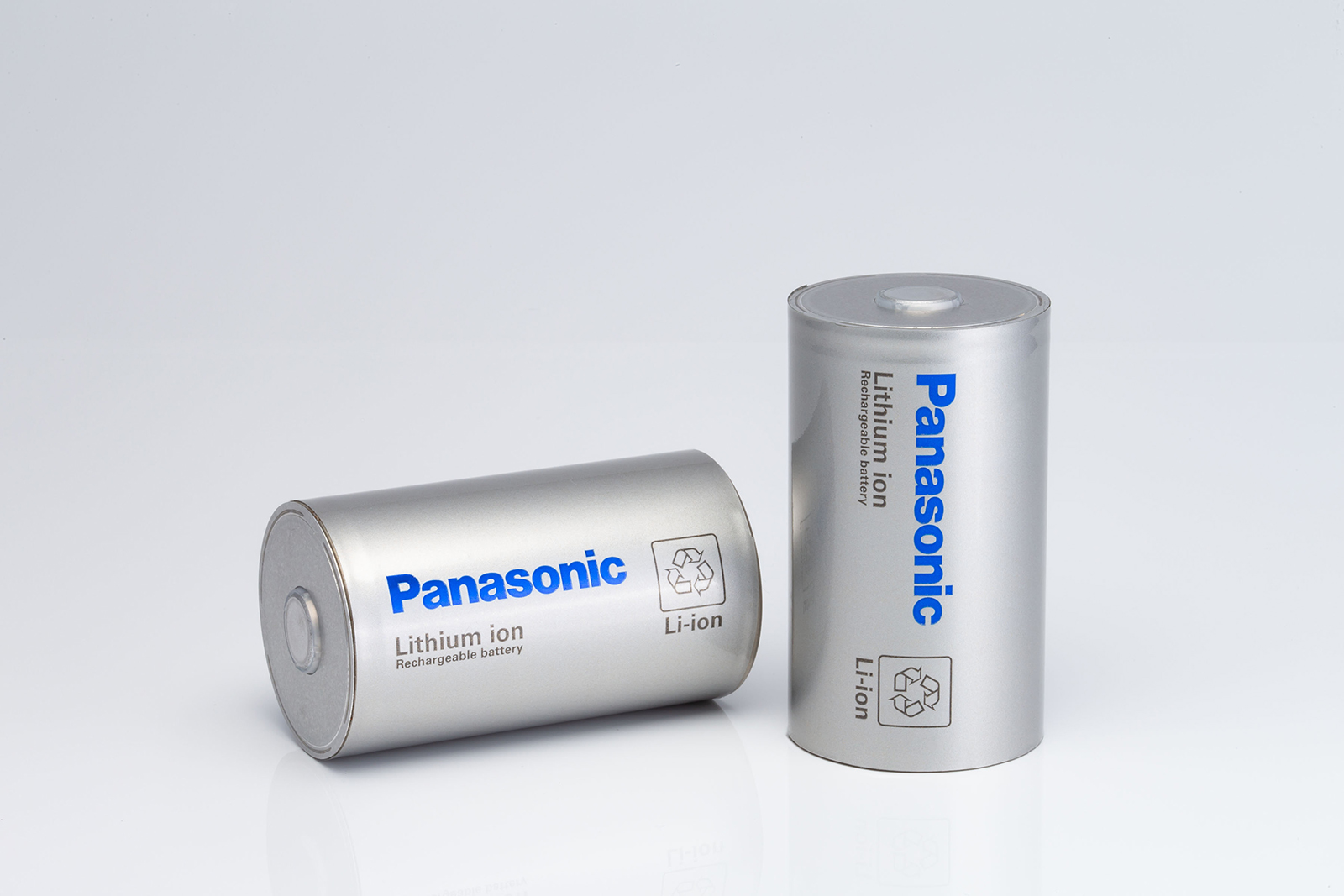
Panasonic intends to localise its US production of energy storage solutions as part of a shift towards supply data centres, Reuters has reported.
During a roundtable interview in Tokyo Tuesday, chief executive Yuki Kusumi said: “Since most of our customers are in the U.S. for these energy storage systems, we think it makes sense to complete the supply chain as much as possible within the US.”
The Japanese electronics manufacturer announced in June that it is preparing to mass produce battery cells at a plant in Kansas by the financial year ending in March 2029.
The facility currently produces batteries for Tesla, but Reuters reported in April that weak demand for electric vehicles in the US market is leading battery manufacturers to pivot to data centre provision, where demand is currently booming.
Kusumi said that Panasonic did not intend to product lithium iron phosphate (LFP) batteries, adding that they are less well suited to the company’s focus on distributed systems that help to smooth peak power demand at individual servers.
According to Reuters, LFP batteries are commonly used in energy storage because they are cheaper than the nickel-heavy alternative that is commonly used for electric vehicle batteries in North America.
Kusumi added that Panasonic was not struggling to secure supplies from China, despite strained ties between Tokyo and Beijing.
Data centres are being built throughout the US, often in rural areas in the middle of the country, but are facing pushback from local communities. Townships in states including Michigan and Texas have reportedly tried to pause datacentre construction after public outcry, but been sued by developers to force them to go ahead despite this.
Erin Brockovich, an activist famous for her successful $333 million class action lawsuit against energy company Pacific Gas and Electric Company in 1993, is currently supporting anti-data centre campaigns across the country, according to the Guardian.


