






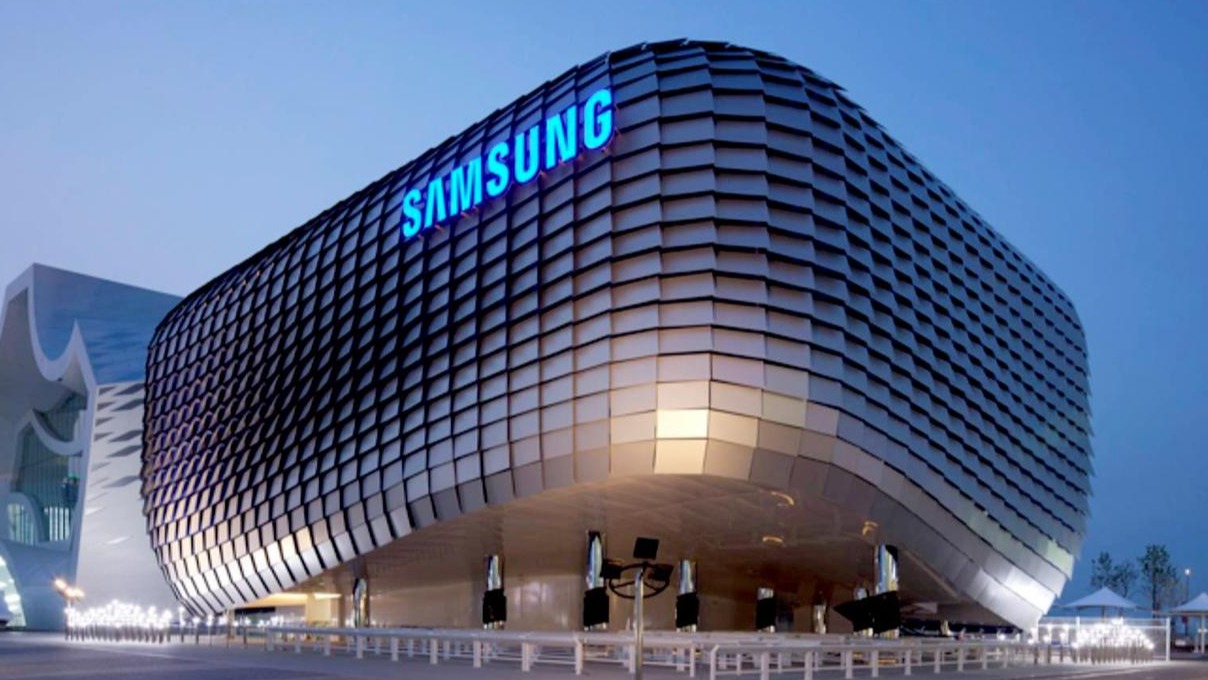
Samsung will double the amount of mobile devices with Galaxy AI to around 800 million units this year, according to a report by Reuters.
Speaking to the news agency, the co chief executive of Samsung TM Roh said that AI will be applied to all products, functions and services as quickly as possible.
Galaxy AI is largely powered by Google’s Gemini and Roh said the roll out of the AI devices would give Google an advantage over its rivals.
Galaxy AI is Samsung’s definition for its suite of AI features, which include those powered by both Google’s Gemini model and Samsung’s own Bixby for different tasks.
In 2025, the technology giant rolled out Gemini-backed AI features to around 400 million mobile devices including tablets and smartphones.
Roh told Reuters that he predicts the adoption of AI will continue to accelerate, pointing out that Samsung surveys on awareness of its Galaxy AI brand rose to a level of 80 per cent from about 30 per cent in just one year.
While search is the most used AI feature on phones, Roh added that users also turn to generative AI editing and productivity tools for images as well as translation and summary features.
Last month, Amazon was reportedly in talks to invest around $10 billion in OpenAI, according to Reuters.
The deal could raise the value of the ChatGPT maker to more than $500 billion and could potentially strengthen the relationship between Amazon and OpenAI at a time when pressure is mounting for tech firms to compete in the AI race.
The talks come after OpenAI last month agreed to a seven-year, $38 billion partnership with Amazon Web Services to run and scale its AI workloads, marking a significant shift in the start-up’s cloud strategy following a recent restructuring.
Under the agreement, OpenAI will gain immediate access to AWS infrastructure, including hundreds of thousands of Nvidia graphics processors clustered via Amazon EC2 UltraServers, with capacity targeted to be fully deployed by the end of 2026 and room to expand in 2027 and beyond.


