






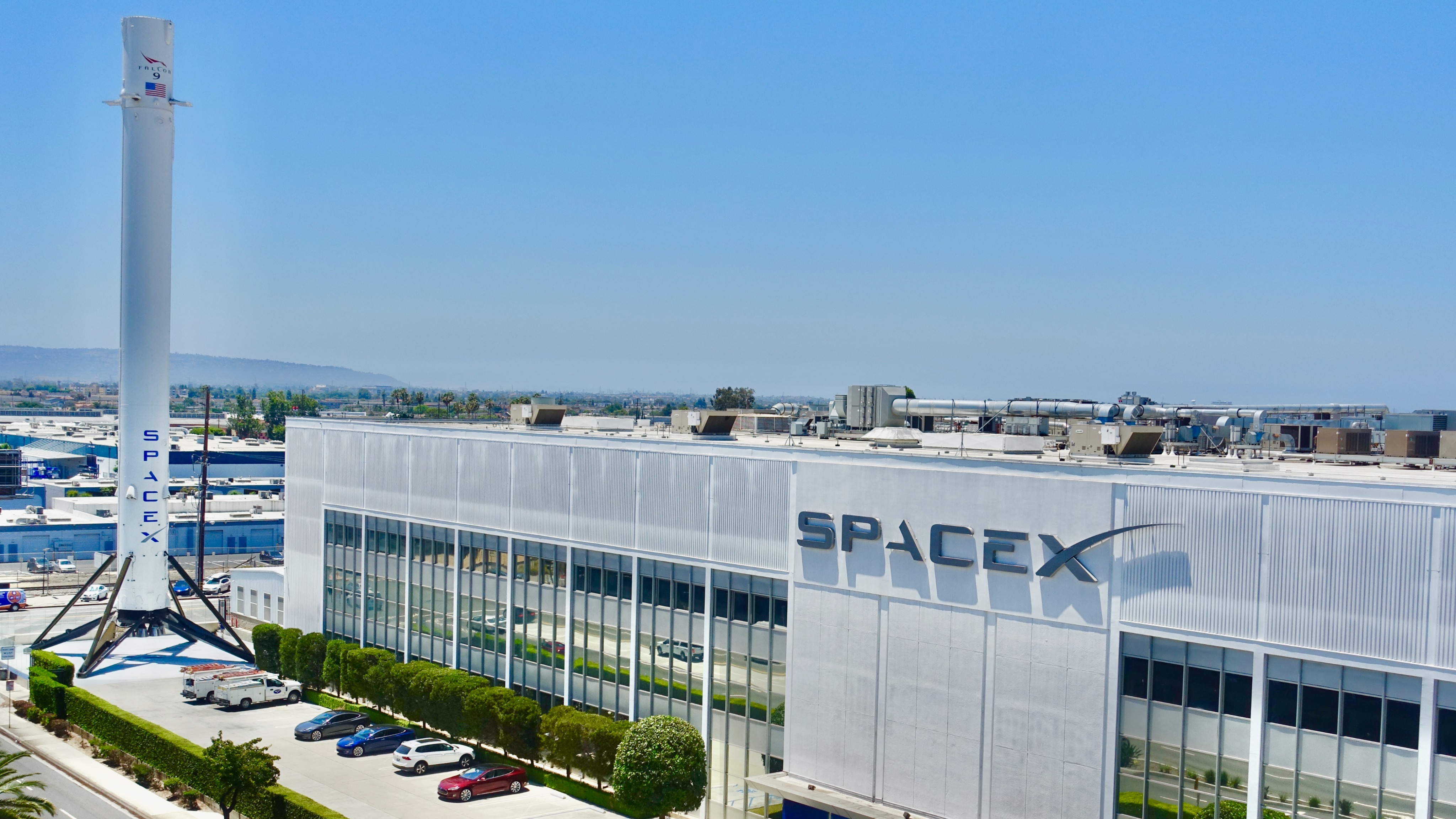
Elon Musk’s rocketry, AI and social media company SpaceX has publicly announced it will go public at $135 per share at its initial public offering (IPO) on 12 June, targeting a $1.75 trillion valuation.
If the IPO goes ahead as expected, the company intends to raise $74.4 billion, or $85.7 billion if underwriters exercise their option to sell additional shares, it said in an amended filing with the Securities and Exchange Commission (SEC).
This is the latest in a series of firsts from SpaceX’s IPO process. Traditionally, price-per-share is determined by institutional investors after a series of presentations during which they can assess their interest in the company, eventually reaching equilibrium.
Weiheng Chen, a senior partner in Hong Kong at U.S. law firm Wilson Sonsini Goodrich & Rosati told Reuters that: “Musk is simply taking a ‘take-it-or-leave-it’ approach which works for his followers and is also sensible given the market conditions and the lack of comparables.”
The company’s launch also departs from typical IPO conventions. Its share price means it will trade at a revenue multiple of around 90 times, far above what is typical for large technology stocks. In addition, Musk will retain the vast majority of SpaceX’s Class B shares, giving him near-total control over the company’s board and operations.
According to the filing, Musk will be able to elect all members of the company’s board, and can only be removed as chief executive and chair of the board by holders of Class B stock. When Class B stock is sold, it reverts to Class A, which offers ten times less voting power.
In addition, shareholders will be unable to submit proposals for shareholder approval unless they hold 3 per cent of the total voting shares, totalling $53 billion, and are able to convince holders of over two-thirds of the voting power to back them. Since Musk will own a controlling stake, this means it is functionally impossible to submit a proposal without his permission.
On Tuesday, AI giant Anthropic confidentially filed its own documents with the SEC shortly after its latest funding round valued it at nearly $1 trillion. Its competitor OpenAI is widely expected to IPO in the coming months, setting the stage for a series of raises that will test Wall Street’s appetite for investment in the AI sector.
AI chip manufacturer Cerebras Systems raised around $5.5 billion at its IPO last month[IH4.1], with a share price of $185 per share. When it opened for trading, the price was already over $300 per share, but has since fallen over 30 per cent to just under $215.


