






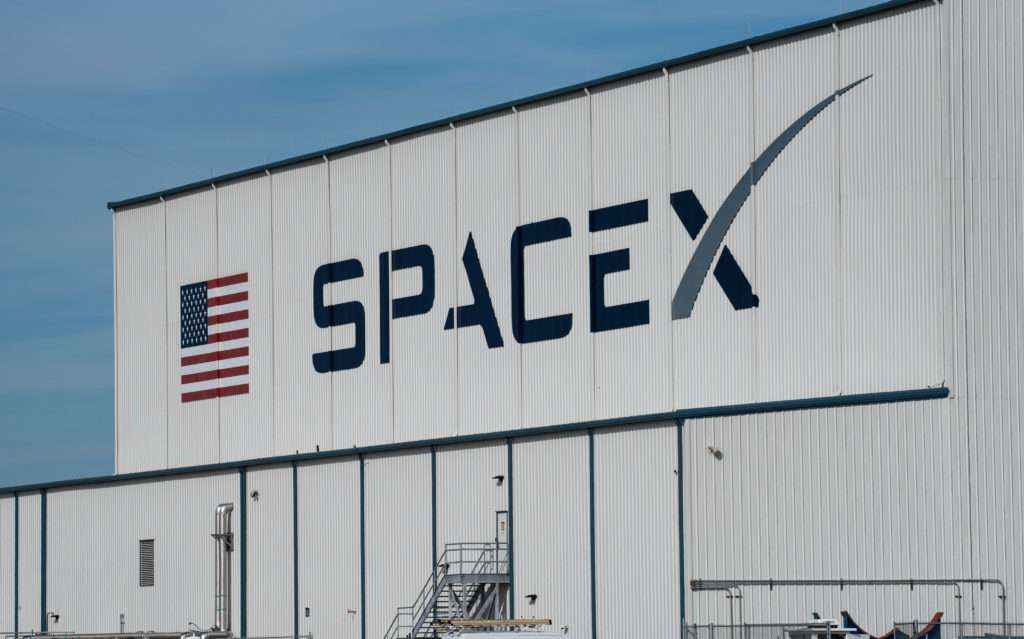
Yesterday, SpaceX filed its official registration statement with the Securities and Exchange Commission (SEC) as the rocketry and AI company prepares for the largest Initial Public Offering in history.
The prospectuses not reveal the size of the offering, or its valuation, but it gives investors the first look into the company’s finances, risk factors and governance structure. The company plans to list on the NASDAQ under the ticker SPCX, with its offering underwritten by some of the largest banks in the world including Goldman Sachs, Morgan Stanley and Bank of America’s securities division.
Its revenue is largely in line with previously reported estimates: the company operated at a $1.9 billion loss in the first quarter of 2026, largely driven by losses in its xAI division, which it acquired in February.
Its AI division lost $2.47 billion in Q1 2026. Space, the company’s original flagship segment that includes its rocketry division, operated at a loss of $662 million over the same period. The only revenue-positive segment of SpaceX currently is its Connectivity division, which includes its satellite internet service Starlink. This part of the business generated a profit of $1.12 billion in Q1.
Over the whole of 2025, the company made a $2.56 billion loss. Its space segment had an operating loss of $657 million that year, meaning it has cost the business as much in the last three months as it did for the whole of 2025.
SpaceX is also spending heavily on capital development. In the first quarter of this year alone, it spent over $1 billion each on its Space and Connectivity segments, and $7.72 billion on AI.
Despite being by far the most expensive portion of the business currently, SpaceX’s prospectus attributes the majority of its growth potential to the product, saying it believes it has “identified the largest actionable total addressable market in human history”. The company suggests the market size for this product is $26.5 trillion, of which over 85 per cent is in enterprise applications.
In its summary, the company said its mission is to build the systems and technologies necessary to make human life interplanetary. It accepts that there are a number of challenges to this endeavour, however, including heightened uncertainty around “design, engineering, procurement, construction, commissioning, and operational performance,” and the development of complex, unproven technologies that may not achieve commercial viability.
In addition, Elon Musk’s wide-ranging business interests are noted as a source of potential conflicts of interest, creating another source of risk.


