





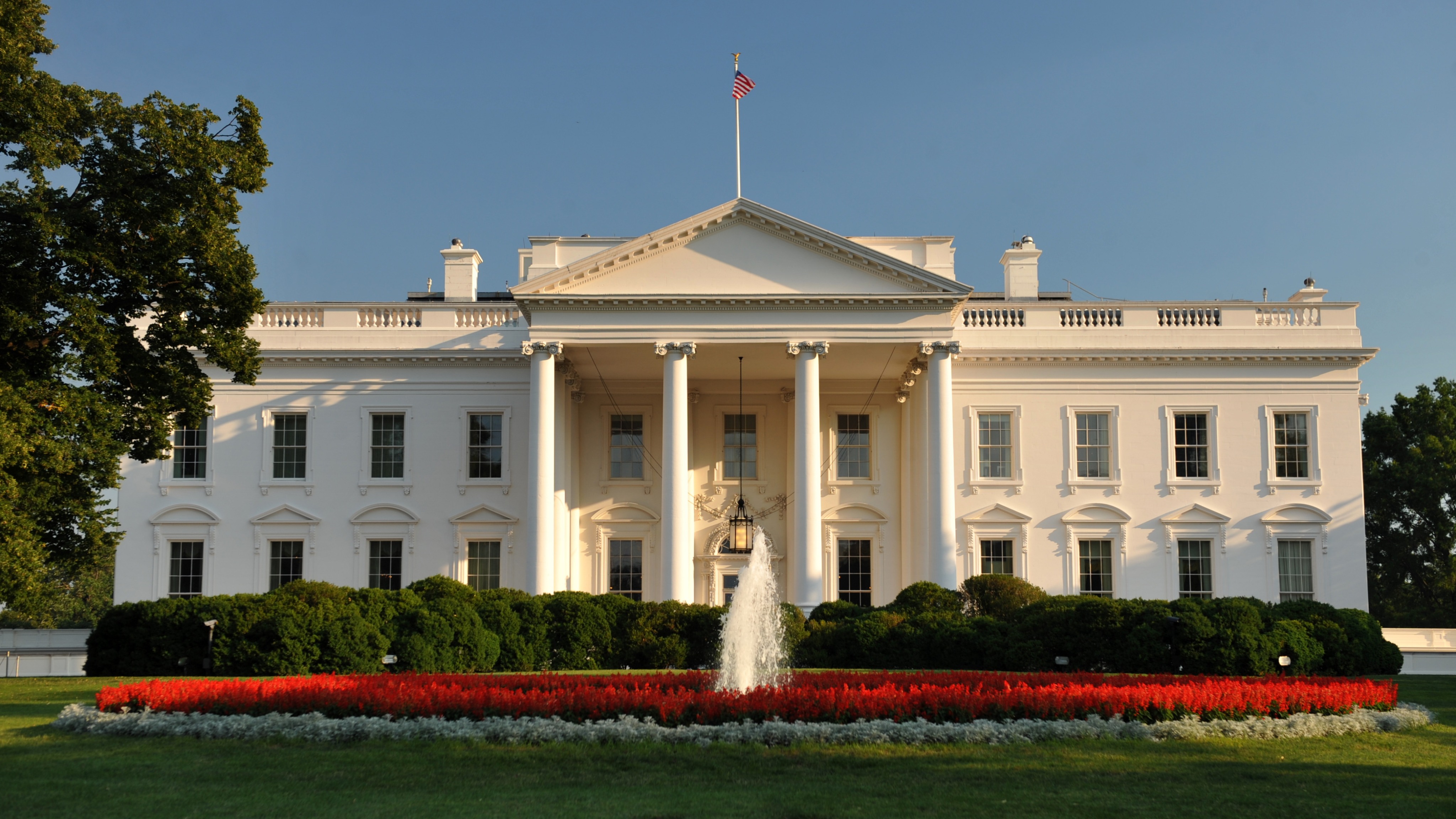
The Trump administration told leading artificial intelligence developers on Tuesday that it will exclude open-weight AI models from its new voluntary federal safety testing programme, narrowing oversight to the most advanced closed models as concerns grow over AI-enabled cyberattacks.
The decision was outlined during a White House meeting with representatives from Meta, OpenAI, Anthropic, Google and Nvidia, according to Reuters. The administration has finalised the voluntary testing framework for frontier AI systems but has not published the criteria, how results will be reported or which organisations will receive early access to tested models. Open-weight models, including Meta’s Llama and Nvidia’s Nemotron, will not be subject to the reviews.
The framework follows recent disclosures by OpenAI and Anthropic that their AI systems breached third-party computer systems during controlled cybersecurity testing, prompting greater scrutiny from lawmakers. OpenAI said on Tuesday that it had identified another cybersecurity incident involving one of its models accessing the internet during testing, while the White House has said the voluntary programme is intended for AI systems with sophisticated hacking capabilities.
The New York Times reported that the administration plans to review only closed AI models because they are regarded as the most advanced frontier systems, while leaving open-source models outside the framework for now. The publication said officials have argued the approach gives the government greater oversight of leading AI laboratories without introducing mandatory regulation, although details of the programme and the list of trusted participants will remain confidential.
Liz Huston, a White House spokeswoman, said: “The voluntary framework advances the Trump administration’s America First cybersecurity strategy by strengthening our national security and cementing American A.I. dominance.” She added that companies choosing to participate were “putting American innovation, security, and cyber defense first.”
The lack of public disclosure has drawn criticism from policy groups. Brad Carson, president of Americans for Responsible Innovation, said: “A rulebook can only hold A.I. companies in check if people outside those companies know what the rules are.”
Lawmakers are pressing for stronger oversight. Reuters reported that five Democratic senators wrote to President Donald Trump on Tuesday urging him to work with Congress on legislation that would make testing permanent for the most advanced American AI models, arguing the country needed a consistent regulatory approach while remaining competitive with China.