





US President Donald Trump said Tuesday that tech executives had signed a pledge establishing voluntary standards for AI following a private dinner.
A copy of the agreement, shared by Trump on his social media platform Truth Social, says that the signatories believe that companies in the AI space “should implement” four layers of controls and audits.
These include “robust internal controls”, “empowering” an internal team to ensure that issues are remediated, employing external auditors to independently assess a firm’s controls are working as intended, and establishing a committee of directors to oversee these processes.
The one-page agreement does not go into further detail as to what these processes should entail. It remains a voluntary agreement, though it said that “over time it may make sense to codify these steps” as laws or regulations.
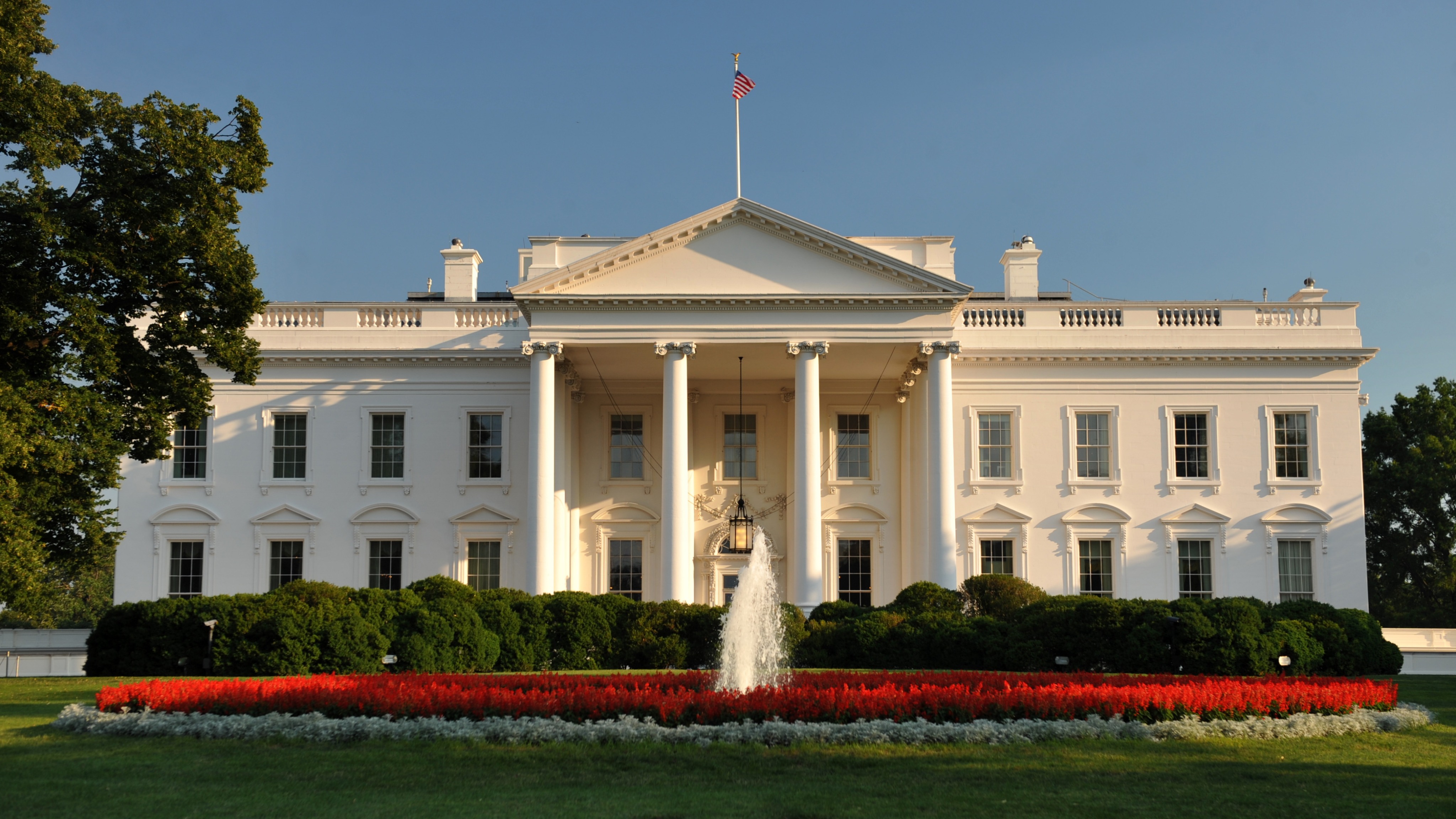
In an impromptu press conference on the White House driveway after the signing, Trump described it as “almost like a constitution, in a way.” He added that he is considering setting up a ten-person board to police the safety of AI tools but did not specify potential members.
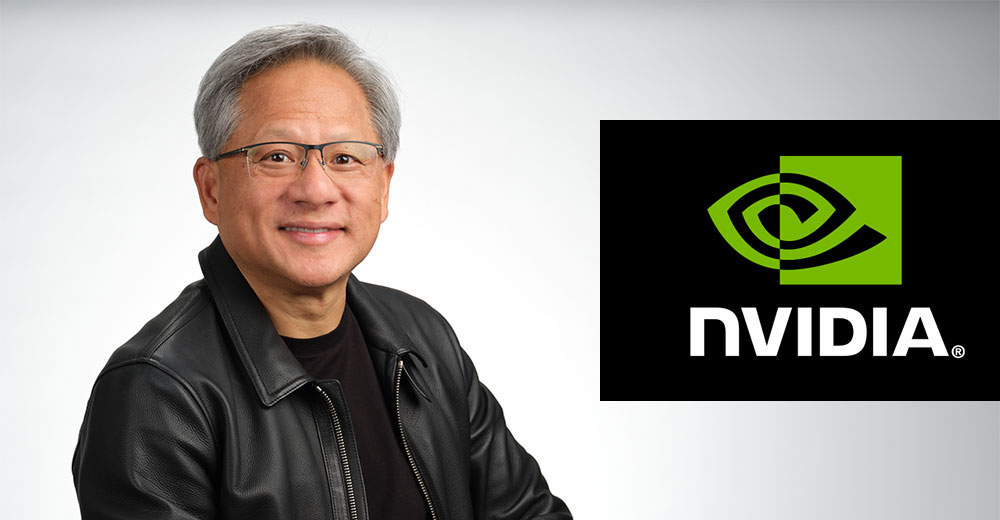
The document has been publicly signed by OpenAI’s Greg Brockman, Anthropic’s Dario Amodei, Meta’s Mark Zuckerberg, Google’s Sundar Pichai, SpaceX’s Elon Musk and Nvidia’s Jensen Huang.
A seating plan for the lunch event shared by Trump on Truth Social suggests that executives from key players in the AI industry including Microsoft, Palantir, and AMD were expected to attend.
Trump also used the conference to double down on his support for the data centres being built across the US, an increasingly controversial topic with voters. Asked whether he thought this would hurt his party in the November mid-terms, he said that tech companies would work to make communities “happy” about their construction.
“These big, powerful, very rich, very smart companies are going to be making massive contributions to communities,” he added.
Also on Tuesday, Trump issued an executive order directing government agencies to refer to AI as ‘Super Intelligence’, suggesting its present name is not sufficient to describe AI’s abilities.
AI no longer merely imitates or automates “discrete aspects of human intelligence”, the document says, but empowers Americans to “achieve what was previously thought impossible” in nearly every domain of human endeavour.